
Morris Animal Inn x Back to Nature
Creating a Pet-Friendly Garden
In honor of National Animal Poison Prevention Week
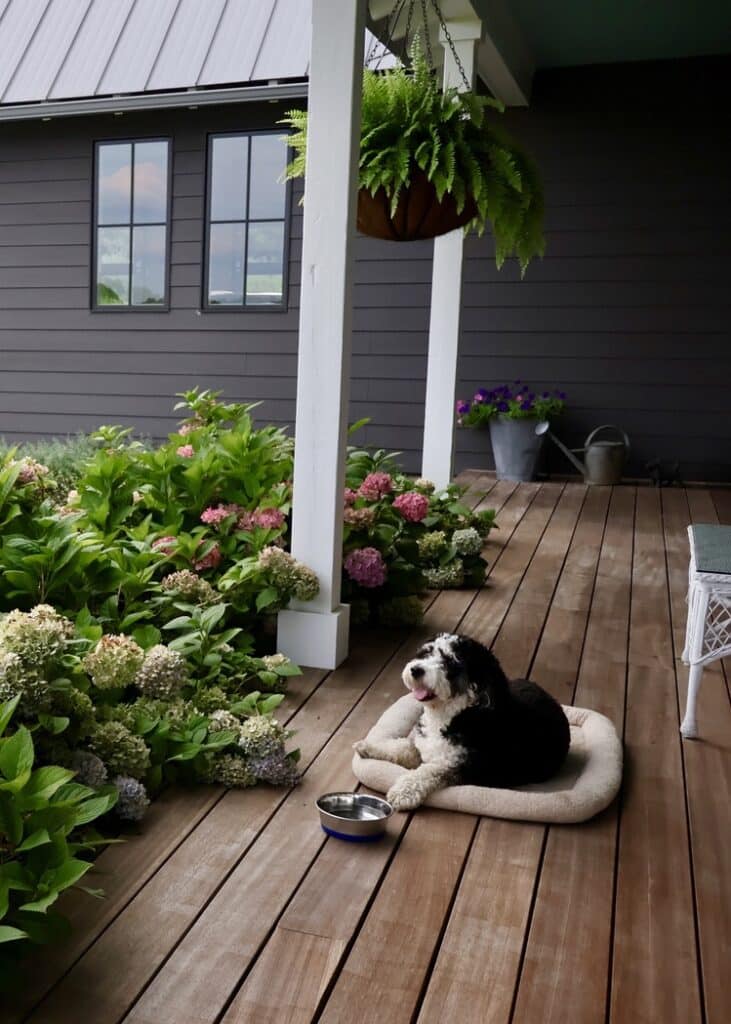
Designing a beautiful outdoor space should never come at the expense of the pets who live in it. While many common garden plants and materials can pose risks, thoughtful landscape design can help create an outdoor environment that is both beautiful and safe for pets.
Here are the considerations we prioritize when designing outdoor spaces for homes that include pets:
- Plant selection is the first layer of protection
A pet-friendly landscape starts with informed plant selection.
Many commonly used ornamental plants, while visually appealing, can pose risks if ingested. Pets explore with their noses and mouths, which means even occasional exposure matters.
Safe Plant Options to Consider:
- Lavender
- Marigolds
- Sunflowers
- Rosemary
- Snapdragons
Plants to Avoid:
- Sago Palm
- Foxglove
- Lily of the Valley
- Azalea
- Oleander
“Many traditional landscape plants can be harmful to pets if ingested. When pets are part of the home, plant selection becomes an important part of the design process.” – Joshua Rodriguez, Landscape Designer at Back to Nature Home & Garden
- Be mindful of lawn and garden treatments
Conventional fertilizers, herbicides, and pest control products can leave residues that pets absorb through their paws and skin.
We advocate for:
- Organic lawn care programs
- Compost-based soil enrichment
- Eco-conscious mosquito management
- Design with movement & boundaries in mind
Thoughtful design prevents problems before they happen. Instead of reacting to digging, trampling, or worn lawn paths, we design to anticipate those behaviors.
Consider:
- Defined pathways to discourage digging in planted beds
- Raised planters to protect delicate or restricted plants
- Natural fencing or hedging to create safe zones
- Shaded areas for cooling in warmer months
Designing with behavior in mind prevents long-term damage and frustration. It creates harmony between intentional plantings and daily life.
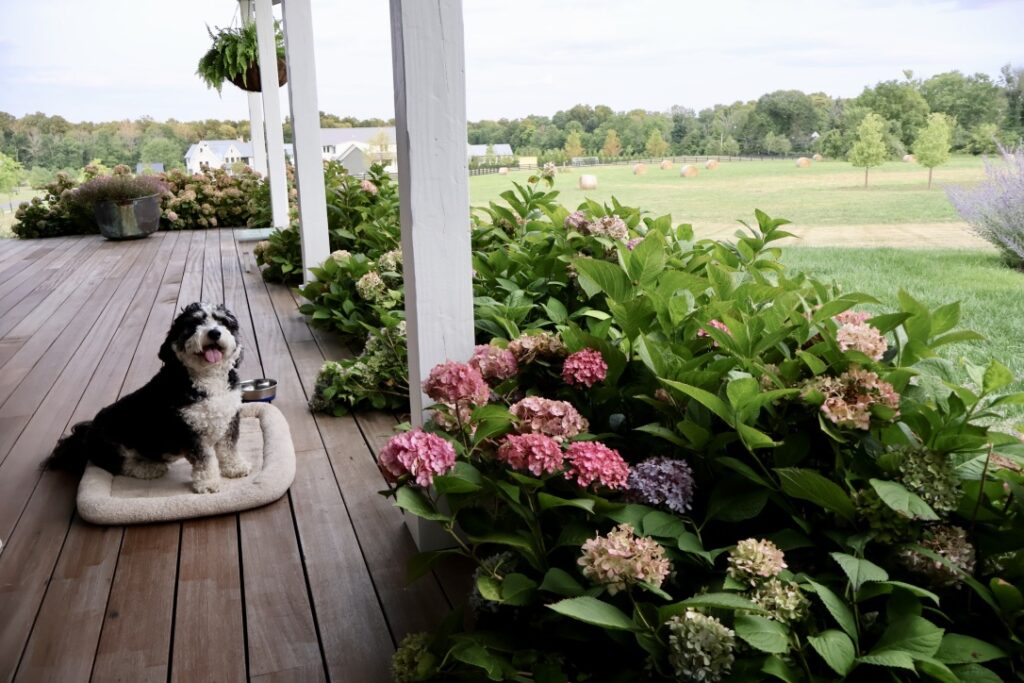
- Create a “Pet Zone”
Designate an intentional pet zone.
This might include:
- A lawn area
- A shaded lounging space
- A sensory planting corner (non-toxic herbs like rosemary or thyme)
- Prioritize comfort, shade, and natural cooling
Pets are far more sensitive to heat than we are. Surfaces like dark stone, artificial turf, and full-sun lawns can become uncomfortable quickly, especially in warmer months.
When designing outdoor environments, consider:
- Trees for natural shade
- Pergolas or structured shade over lounge areas
- Lighter-toned paving materials that retain less heat
- Access to fresh water outdoors
- Soft, cool resting surfaces near gathering areas
Safety Insight:
“If your pet ever ingests something concerning in the garden, it’s best to visit the veterinarian promptly. The ASPCA Poison Control Center is also a helpful resource, and their hotline can be called while you’re on the way to the vet to receive expert advice.”
ASPCA Poison Control Resource:
https://www.aspca.org/pet-care/aspca-poison-control
-Joshua Rodriguez, Landscape Designer at Back to Nature
A well-designed garden can be ecologically responsible, visually refined, and safe for pets, all at the same time. Thoughtful plant selection, organic and ecological practices, and intentional design allow outdoor spaces to thrive without compromising the well-being of the pets who enjoy them.
Learn more about Back to Nature Home & Garden: backtonature.net/about/
Photo Credit: Calea Stiles @stilesstudio_