
Picture this: you open your front door to a carpet covered in potting mix. Green leaves and stems scattered about. Besides the mess, you find your new puppy innocently sitting on her bed looking up at you. Next thing you know, you are frantically looking up whether your calathea is dangerous for pets to consume or not! Luckily enough in this scenario, calatheas are typically safe. But not all plants are non-toxic to both cats and dogs. By the end of this blog, you will become an expert in knowing whether a plant is totally safe for pets to consume by accident or if you should take a visit with your local emergency vet.
Firstly, let’s look at the common toxic plants that you might have in your home. They may look harmless to us, but a lot of decorative plants contain hidden toxins that cause major issues from digestion problems to even fatal results.
Plants Toxic to Pets:
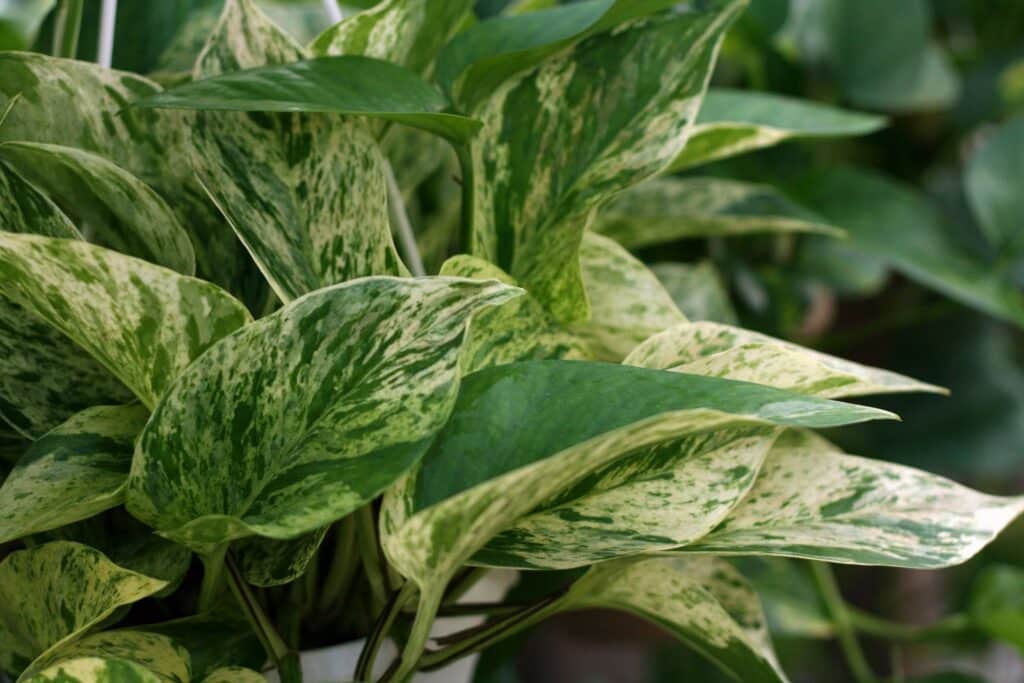
Pothos “Marble Queen” can cause oral irritation, excessive drooling, and vomiting if ingested
-
- Philodendrons (irritation, pain, and gastrointestinal symptoms if ingested)
- Snake Plants (causes vomiting)
- Lillies (highly toxic to cats especially)
- Monstera (can cause swelling if ingested)
- Most perennial flowers
While these are some of the most common houseplants that one might own in their collection, there are plenty of other common, and just as beautiful, plants from your local greenery that are much safer for your pets! A lot of these pet-safe plants are safe from children accidentally swallowing as well. This can help mitigate worry if you have curious little hands walking around your house too!
Pet-Safe Houseplants
- Chinese Money Plant (Pilea peperomioides)
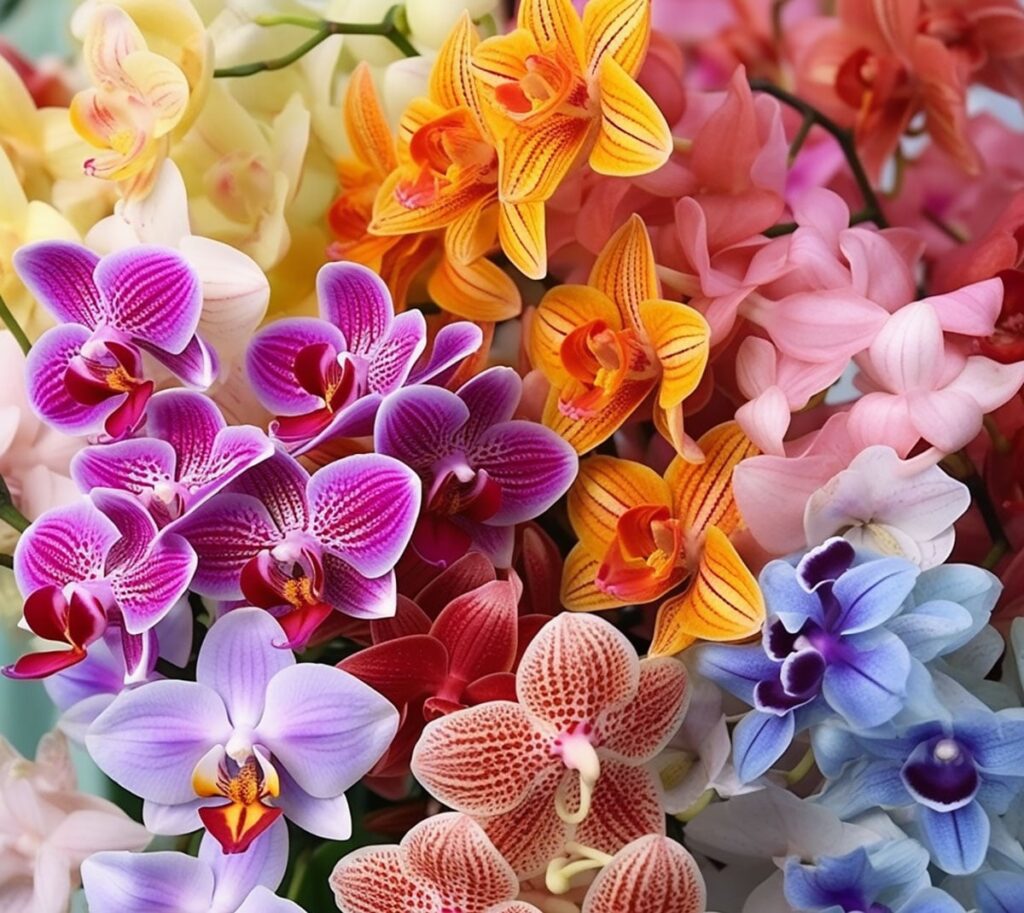
Orchids come in many colorful blooms that brighten up any home!
- Spider Plant (Chlorophytum)
- Calathea (Calathea spp.)
- Air Plant (Tillandsia stricta)
- Peperomia (Peperomia spp.)
- Orchid (Orchidaceae)
- Bromeliad (Bromeliaceae)
- Money Tree (Pachira aquatica)
With all these plants in mind, you can safely spruce up your home while also making sure there are no toxic leaflings lying around. While it is best to avoid highly toxic plants altogether in the home, sometimes all you may need to do is keep them in separate rooms that your puppy does not have access to. Or for smaller plants, leaving them high up on shelves where curious sniffers will not go around searching for a bite. Plants are a great way to keep a home lively and to calm your senses after a long day, so with all of this information in mind, happy planting!
Sources:
Toxic Houseplants – Epic Gardening